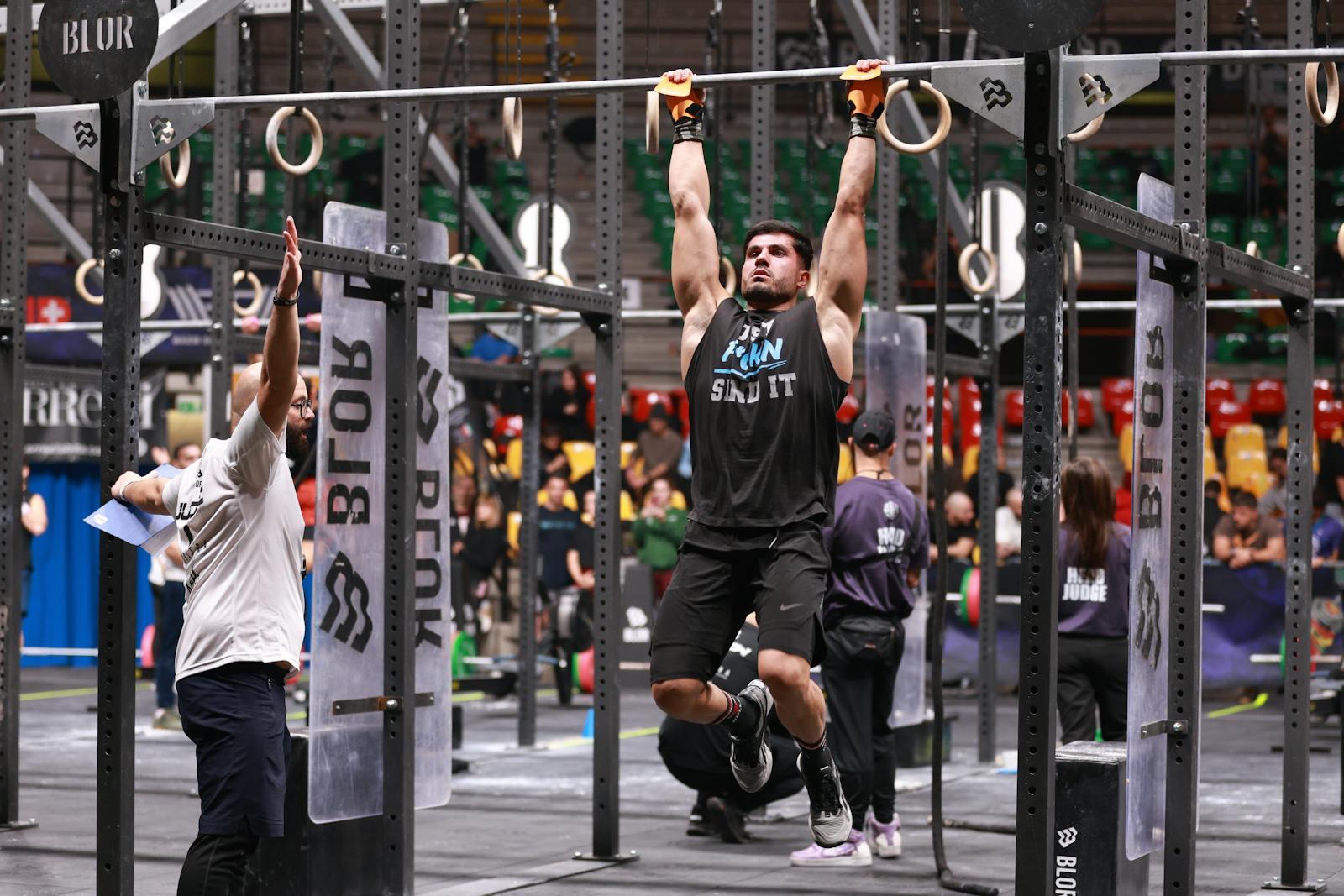
Preparing for a competition isn't about training harder. It's about training smarter, with a clear plan and well-defined phases. Here's how to organize your last 8 weeks to show up at your best on game day.
Why plan your preparation?
Many athletes make the mistake of pushing intensity to the max until the day before competition. The result: accumulated fatigue, injuries and performances below their potential.
Good planning helps you:
- Work on weaknesses without neglecting strengths
- Manage fatigue to arrive fresh on competition day
- Test your strategy for nutrition and warm-up in real conditions
- Build confidence by tracking progress week after week
A well-prepared athlete isn't the one who trained the most. It's the one who recovered at the right time.
Phase 1: building (weeks 8 to 5)
This first phase demands the highest volume. We focus on the foundation: endurance, strength and work capacity.
Volume and intensity
Aim for 4 to 5 sessions per week. Each session combines strength work (squat, deadlift, press) with 12 to 20 minutes of metabolic conditioning. Intensity stays at 70-80% of maximum effort.
Weaknesses first
This is the time to work on problem movements. Muscle-ups, double-unders, handstand walks... Dedicate 15 minutes per session to skill work. The further you get into the prep, the less time you'll have to fix them.
Phase 2: intensification (weeks 4 to 2)
Volume goes down, intensity goes up. Your body is ready to handle efforts close to competition level.
Simulate real conditions
Reproduce WOD formats similar to those announced. Train with the same rest times between events. Wear the outfit and shoes you'll use on competition day.
Pacing work
Pacing is the art of managing your effort. Learn to start at 85% rather than going all-out. Practice maintaining a steady pace on 10 to 15-minute WODs. Good pacing often makes the difference between the podium and mid-pack finishes.
Phase 3: tapering (final week)
This is the taper phase. Volume drops drastically — about 50% of the previous week. Intensity stays high, but sessions are short.
- Monday-Tuesday: 2 light sessions with competition-day movements
- Wednesday: complete rest or gentle mobility
- Thursday: short activation (20 min max), light technical movements
- Friday: total rest if the competition is Saturday
Use this time to fine-tune your nutrition and warm-up routine.
Mistakes that sabotage preparation
Even with a solid plan, some mistakes keep coming back:
- Testing your max during the last week — the injury risk isn't worth the data
- Adding bonus sessions — more isn't better when your body needs recovery
- Switching programs at 3 weeks out — trust the plan you built
- Neglecting sleep — 7 to 9 hours per night are non-negotiable during prep
Build your personalized plan
Every athlete is different. An experienced CrossFit® competitor won't have the same plan as a beginner preparing for their first competition. The key is to follow the 3-phase logic: build, intensify, taper.
Track your sessions, log your times and adjust week by week. And most importantly, keep an eye on the competition calendar to plan your season wisely.
Physical preparation is only part of the equation. Mental preparation and post-competition recovery complete the puzzle. With a solid plan, you'll show up on competition day confident — ready to give it everything.