Unlike some disciplines, Hyrox doesn't require a huge gear budget. But some choices are critical: shoes at the top of the list. Bad equipment can cost you time, or worse, injuries. Here's what you really need to perform.
Shoes: the number one choice
This is THE critical point. Hyrox mixes running (8 km) and strength work (sled, lunges, wall balls). A pure running shoe will betray you on the sleds. A CrossFit® shoe will wreck your feet on the 8 km. You need a versatile shoe, stable and cushioned at the same time.
Recognized models
- Nike Metcon (running version, not cross) — good lateral stability
- Reebok Nano X — versatile, moderate drop
- Nike Pegasus Trail — if you prioritize running comfort
- Inov-8 F-Lite — minimalist, great sled feel
- TYR CXT-1 — specifically designed for Hyrox
Avoid at all cost: zero-drop CrossFit® shoes (they destroy your calves over 8 km), pure trail running (slips on lunges), heavily cushioned running (no grip on the sled).
Simple rule: if you're torn between two pairs, test them in training on a full Hyrox simulation. You'll know in 20 minutes which one suits you.
Clothing: simple and functional
No need to gear up like a pro triathlete. A Hyrox outfit that works:
- Running shorts — lightweight, with a zipped pocket for your gel
- Technical t-shirt — no cotton, no rough mesh under the sleds
- For women: high-support sports bra, as jumps and lunges demand a lot
Some athletes wear compression shorts under the outer short: it limits chafing over 8 km and lunges, and some find it helps with proprioception. Test it in training, never on race day.
Socks: don't skip this
Technical socks are 8 euros a pair and can save you 10 blisters. Feet will sweat a lot (sled + running), simple cotton will slip and create friction points.
Pick short socks with arch support and technical fibers (polyester/nylon). Avoid high soccer-style socks: they slip when wet.
Useful accessories (but optional)
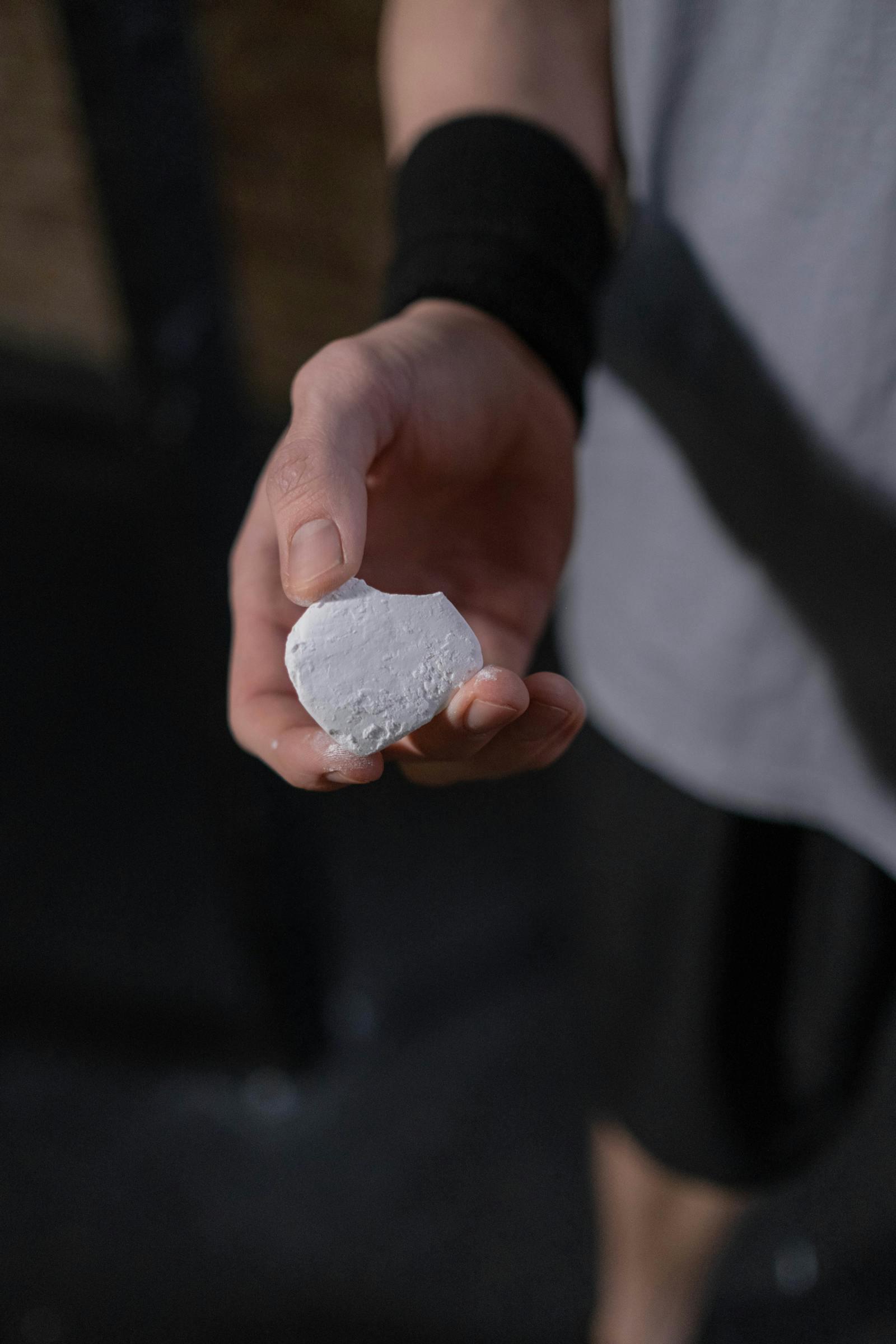
Gloves or hand protection
The ski erg rope and rower handles can burn your hands by the end. If you're blister-prone, minimalist gloves or leather grips (gymnastics style) are useful. Don't grab thick lifting gloves: you'll lose grip.
Weightlifting belt
Forbidden. Hyrox doesn't allow any belt, knee sleeves or support equipment. You run and lift bare.
Water bottle and gels
On a 1 to 1h30 race, most athletes don't drink. Well-hydrated beforehand, you don't need a bottle. Some take one gel mid-race (after the rower); test it in training to see if your stomach tolerates it.
Heart rate monitor
A GPS watch with HRM is useful in training to track your base pace. On race day, you won't have time to look — feel beats data.
Gear you don't need to buy
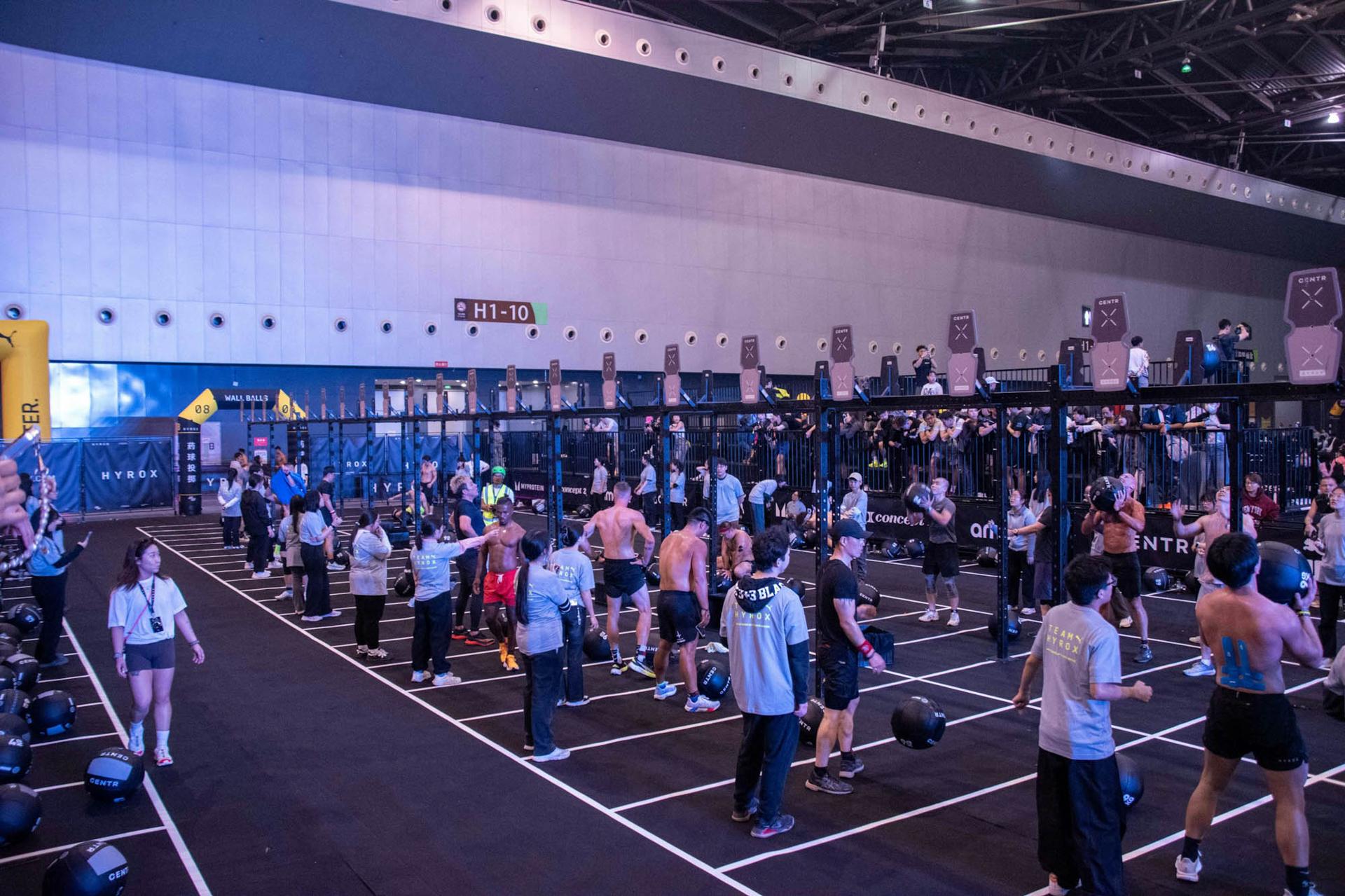
- The sled, sandbag, ski erg, rower, wall balls — all provided by Hyrox on race day and available in most gyms
- The farmers carry dumbbells — provided too
- The wall for wall balls — provided
You have no need to invest in expensive gear to train. A CrossFit® box or equipped gym is plenty.
Minimum budget
For a first Hyrox, you can make it work with:
- Versatile shoes: €120-160
- Technical socks: €10
- Technical shorts and t-shirt: €40-60
- Sports bra (women): €35-50
Total: between €200 and €280 for a first race. That's the minimum investment to race safely and perform properly.
In summary
Hyrox gear is 80% shoes and 20% clothing. Don't chase gadgets, chase comfort over time. Test everything in training before race day — never new gear in competition. And when it's all set, register for your next Hyrox on MBC Arena.