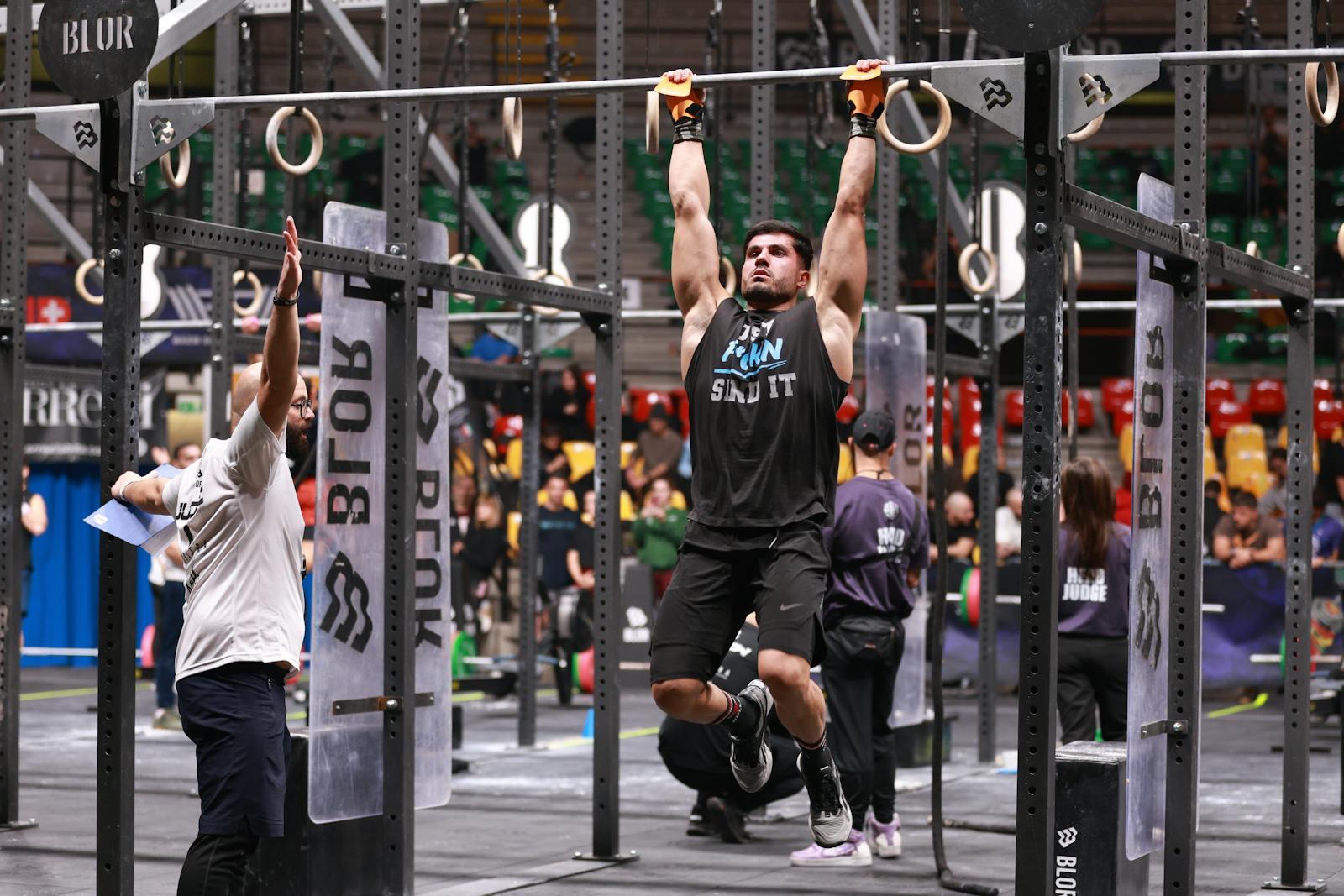
One tear mid-WOD, and the whole competition shifts. We grit our teeth, lose grip, adapt our strategy through pain. Yet hands deserve preparation like any other body part — early, and with the right gear.
The body part nobody trains
We train our legs, our pull-ups, our cardio. But our palms take a beating in silence. Pull-ups, toes-to-bar, kettlebell swings, sled pushes: every movement rubs, crushes, tears.
The result is familiar — blisters on the palms, callouses ripping off, raw skin by the second WOD. And once the skin breaks, everything after becomes brutal, including movements that have nothing to do with grip, like a thruster or a wall ball.
A well-prepared hand can handle three back-to-back WODs without a drop in performance. A neglected hand wrecks a leaderboard run by mid-afternoon.
Preventing blisters during training
Tough skin is built over weeks, not the day before a competition. The rule of thumb: maintain your callouses, don't let them thicken.
A callous that gets too thick is exactly what tears first. The edge lifts, the healthy skin underneath comes off with it, and the wound is instantly worse than a simple blister.
The routine of seasoned athletes:
- File your callouses weekly with a pumice stone or a dedicated file
- Moisturize your palms at night with a rich balm, never right before training
- Check your grip on the bar — a poorly placed hand doubles the friction
- Avoid overtraining high-volume pulling movements
Grips, tape, chalk: choosing your gear
Three families of tools protect hands in competition. Each has its purpose.
Gymnastics grips
Essential for bar movements. They come in leather, synthetic, or carbon. Carbon grips slip less and last longer. Two or three-hole models are the most versatile for pull-ups, toes-to-bar, and muscle-ups.
The classic trap: trying them for the first time on competition day. A brand-new pair creates unexpected friction points. Always break in your grips over 4 to 6 sessions before any event.
Tape
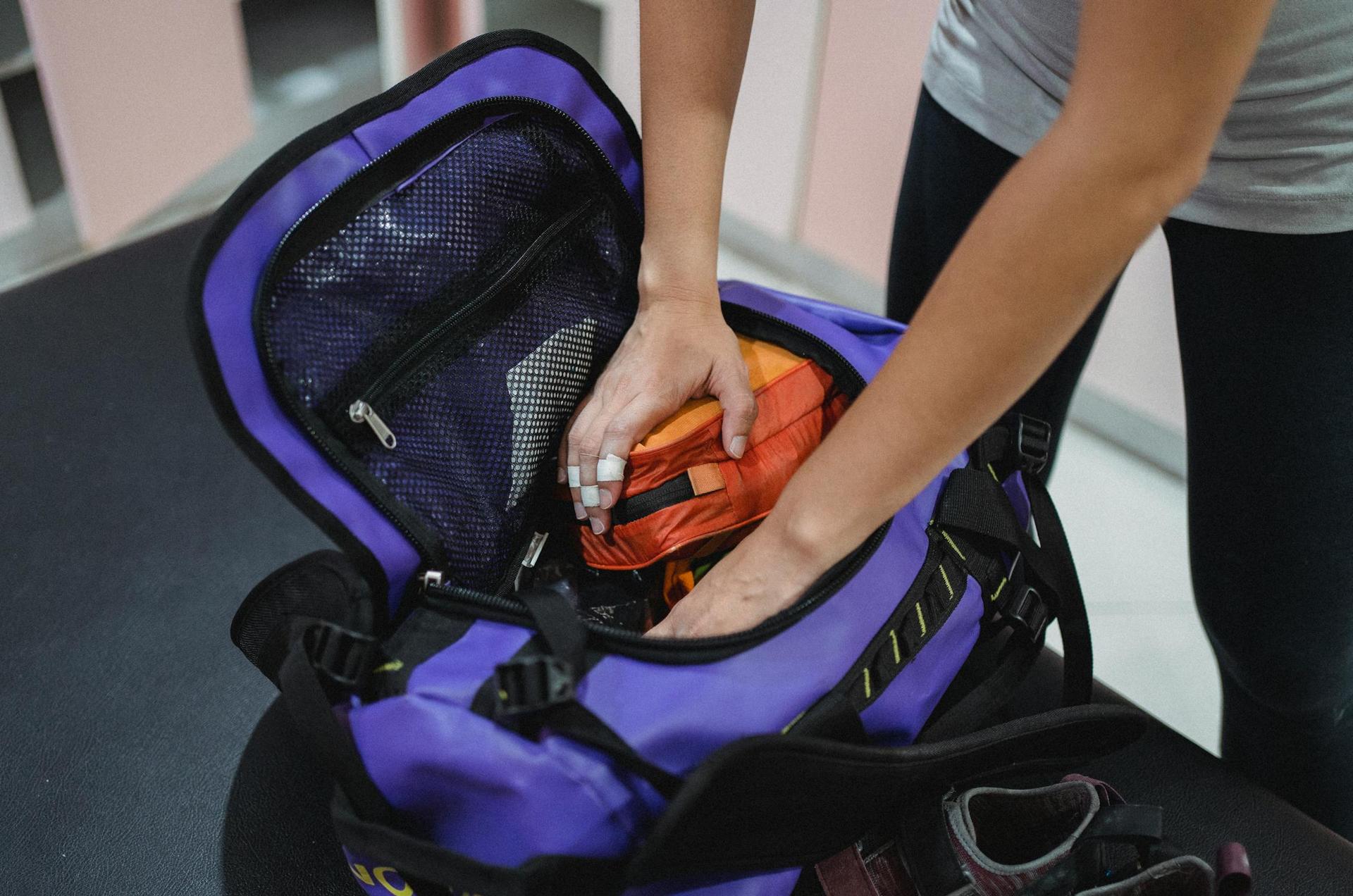
Useful for fingers, thumbs, and around the wrist. It catches a fragile callous, protects an old tear, or reinforces grip on the Olympic bar. Always keep some in your competition bag.
Chalk
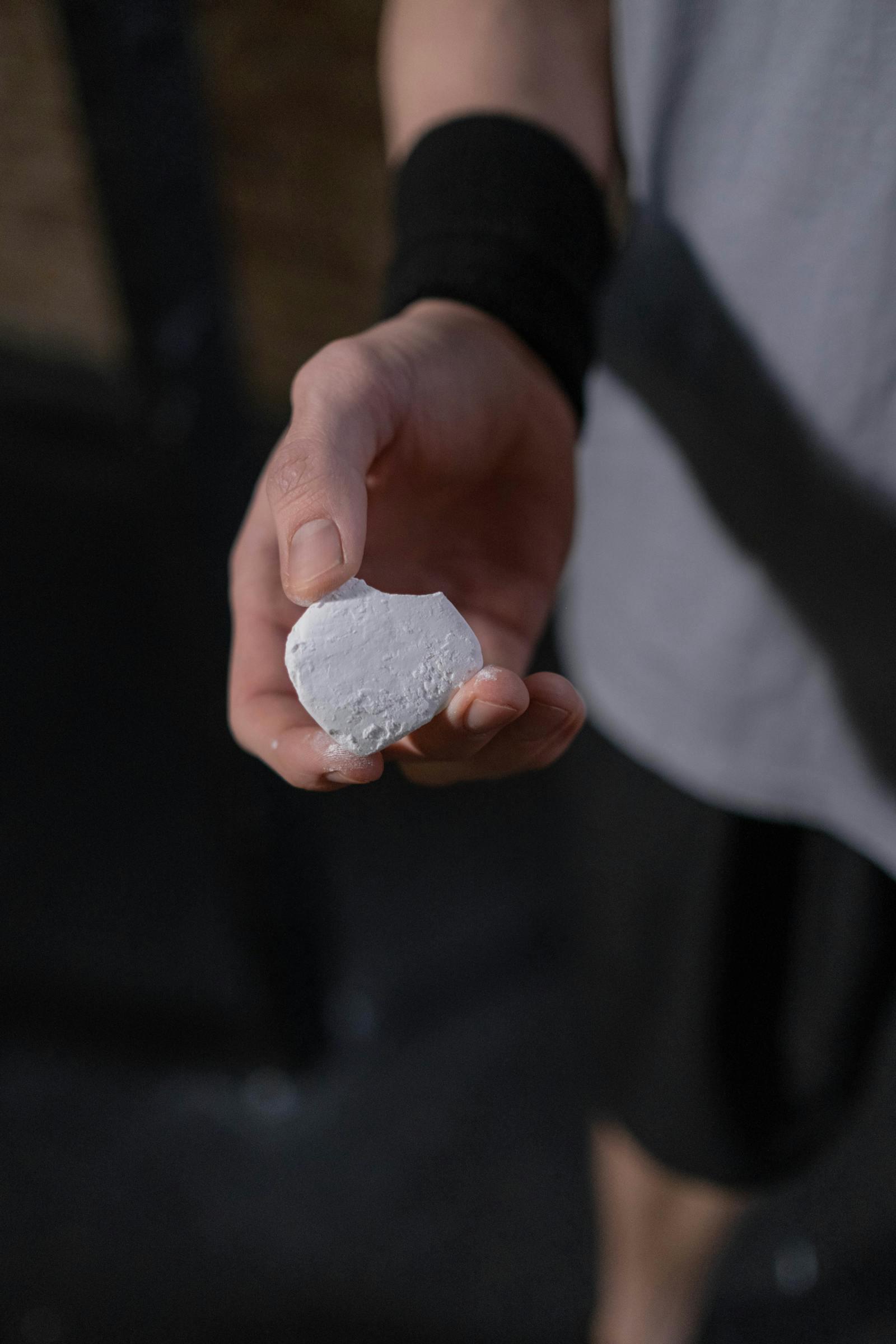
It absorbs sweat and improves grip. Too much chalk burns the skin and increases friction. A light dusting on the palms is enough. Check the rules — some competitions only allow liquid chalk.
Our competition day gear checklist covers the full bag list to prepare.
Handling a tear mid-competition
It happens, even with good prep. The right moves in a few seconds:
- Clean the wound quickly with a wipe or water
- Cut off the dead skin hanging loose (scissors or nail clippers in your bag)
- Apply a compress or a hydrocolloid bandage
- Cover with tape to secure it and keep moving
- Resume movements with reduced dynamic grip
A tear doesn't mean withdrawal. It just forces adaptation — smaller sets, dropping the bar earlier, sparing the injured area. That kind of in-event call is one of the trade-offs experienced athletes manage, and one of the common competition mistakes newcomers fall into.
Caring for your hands between competitions
Hand recovery matters as much as leg recovery. In the days following an event:
- Wash wounds carefully with mild soap
- Apply a healing cream morning and night
- Avoid pull-ups for 5 to 7 days if a deep tear has opened
- Gradually rebuild bar volume once the skin has grown back
Well-cared-for skin gets stronger with every cycle. It's a long-term investment — the next competition will come faster than expected.
Eyeing your next event? The competition calendar on MBC Arena lists upcoming events across the platform. Preparing your hands is already preparing your podium.