Your schedule lands a few days before the event, and one line looks cryptic: "Heat 3, lane 5." No panic. This vocabulary shapes the entire day. Understanding it changes everything when it comes to staying calm through your events, whether you come from cross training, CrossFit® or a Hyrox race.
What exactly is a heat?
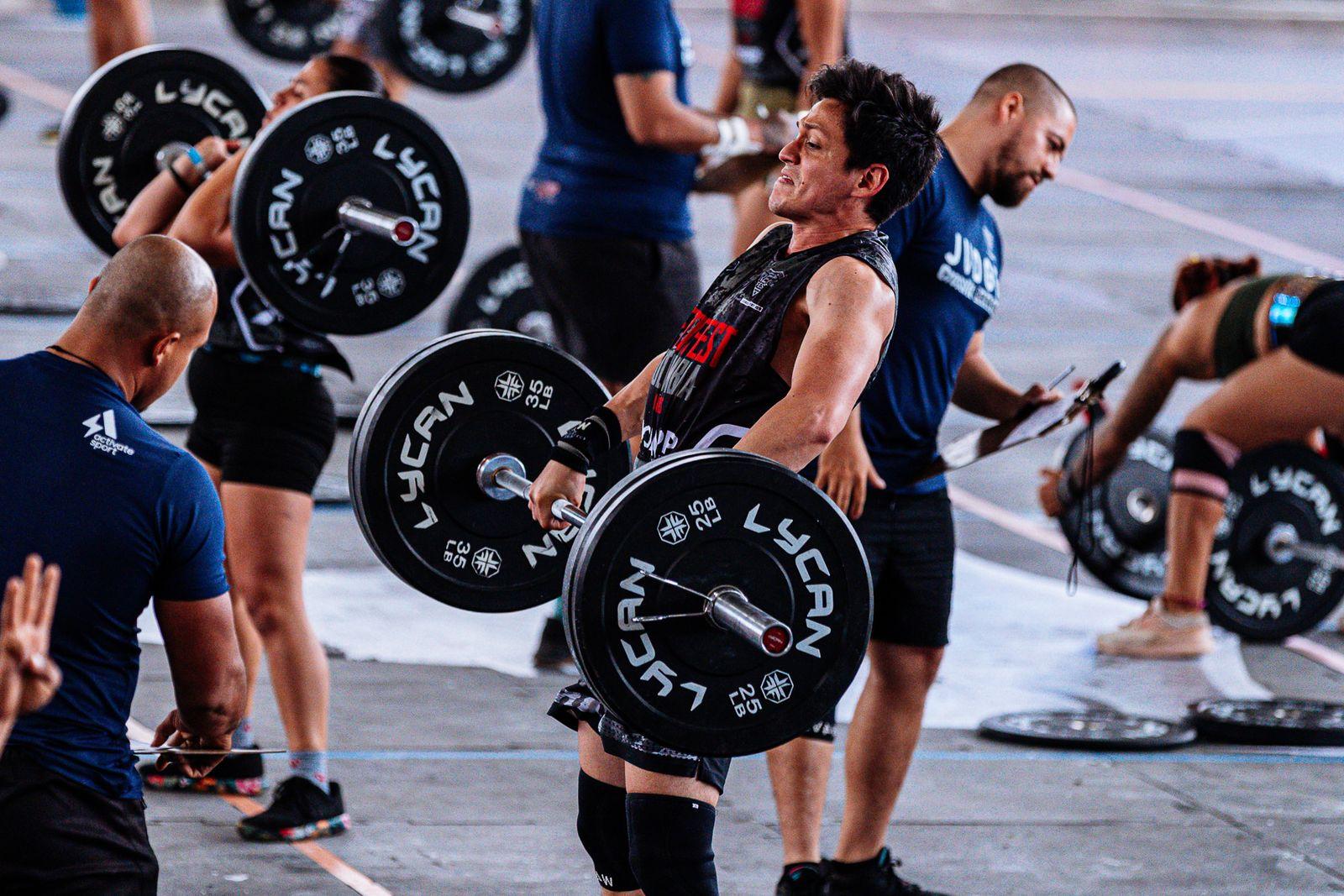
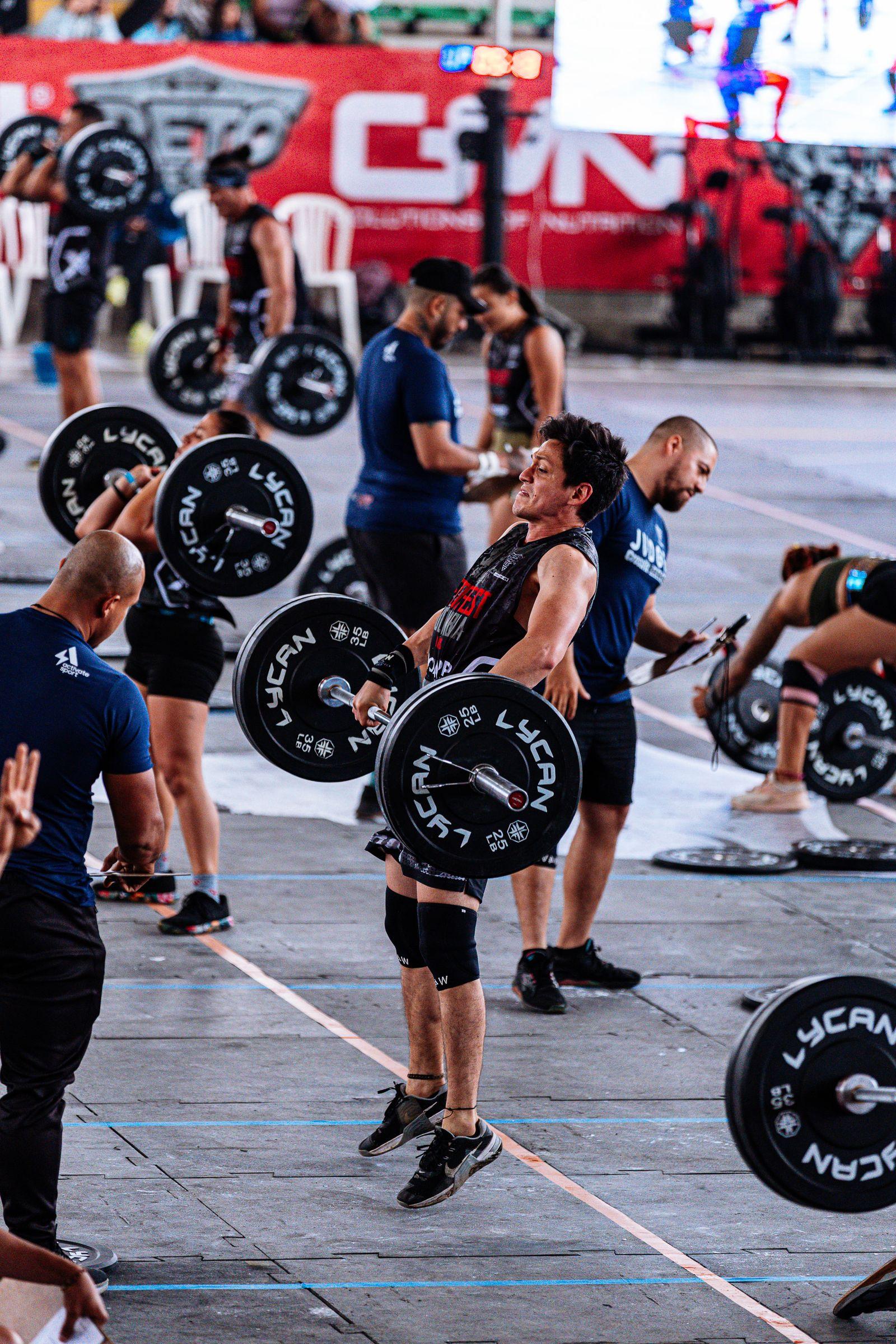
A heat — also called a wave — is a group of athletes tackling an event at the same time. A venue cannot host every entrant at once. So organizers split them into several successive waves. One wave starts, finishes, and the next one sets up.
Every athlete knows the time of their wave for each WOD in advance. That is the key to the day's timing. Three words come up again and again:
- The wave: your group for a given event
- The lane: your numbered spot on the competition floor
- The judge: the person who validates your reps in that lane
Corral and call area: where to show up
Before you compete, you head to a waiting zone, often called the corral or call area. That is where staff gather the next wave, brief it, then send it onto the floor at the right moment.
Showing up late to the corral is the number-one avoidable stress for beginners. Spot that zone the moment you arrive on site.
The idea is simple. You report to the corral a little early. You listen to the briefing. You follow the staff to your lane. Nothing to improvise under the pressure of the clock.
How waves are built
Organizers do not fill waves at random. Several logics combine:
- By division: Rx, Scaled, Elite, Master... each category runs separately
- By level: on the final events, the top athletes are often grouped into the last wave
- By equipment limits: the number of available lanes sets the wave size
This structure shapes the atmosphere. The final wave of a showdown, with the crowd and the leaders neck and neck, feels nothing like a morning qualifying wave. To understand how these runs turn into points, our article on scoring breaks down the mechanics.
Managing your time between waves
The real challenge is the waiting. Between two WODs you sometimes wait a long time, then everything hits at once. Two habits avoid the trap:
- Time your warm-up to your wave, not too early and not too late, so you do not cool down. Find the right cues in our warm-up guide.
- Keep an eye on the posted schedule: timings drift from one competition to the next, running early or late.
Reading your schedule well is already part of performing. You know where to be and when. Your energy then goes into the effort, not into logistical stress.
Ready to put all this into practice? Browse the competition calendar, find a format that fits you, and track your progress on the live leaderboard.