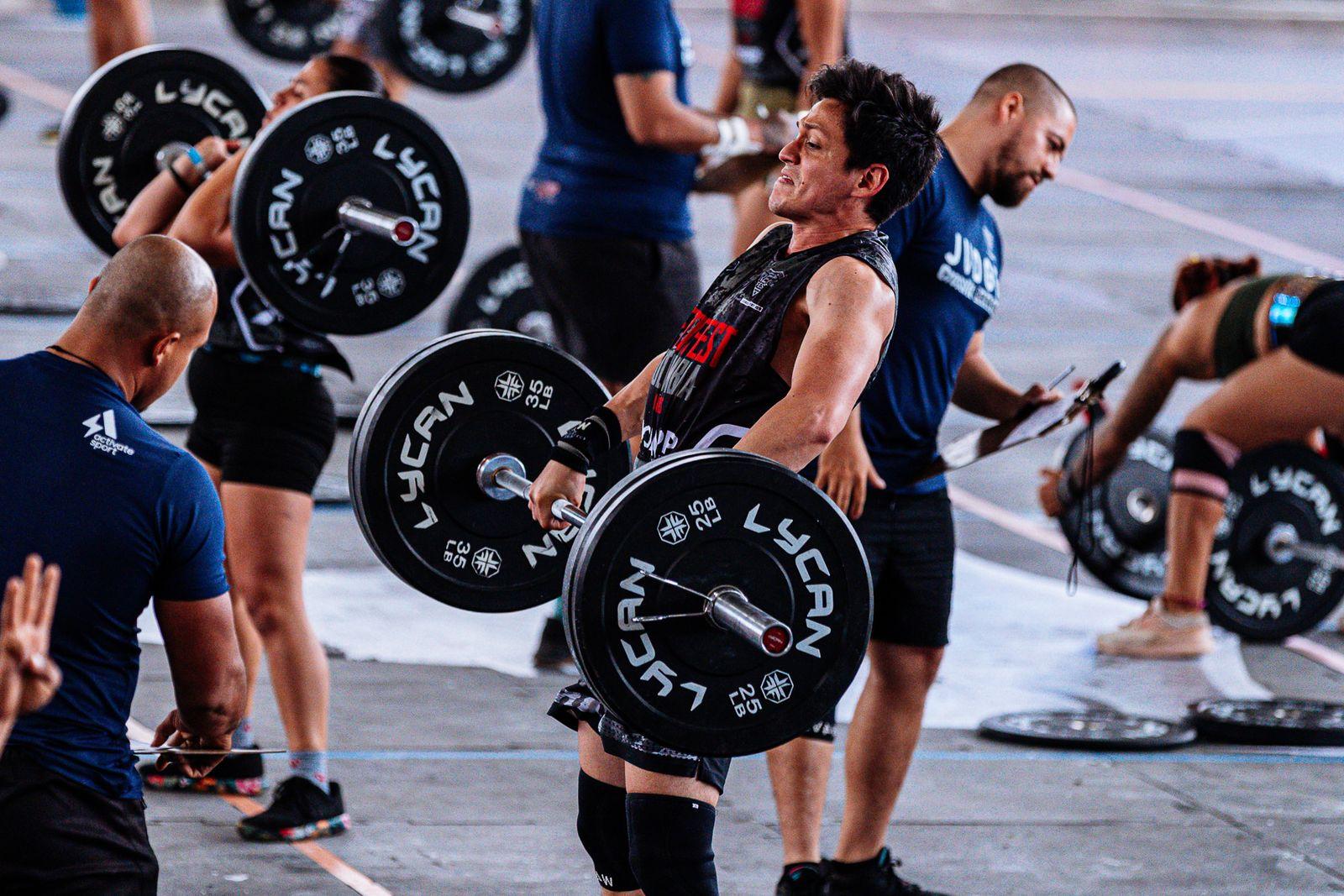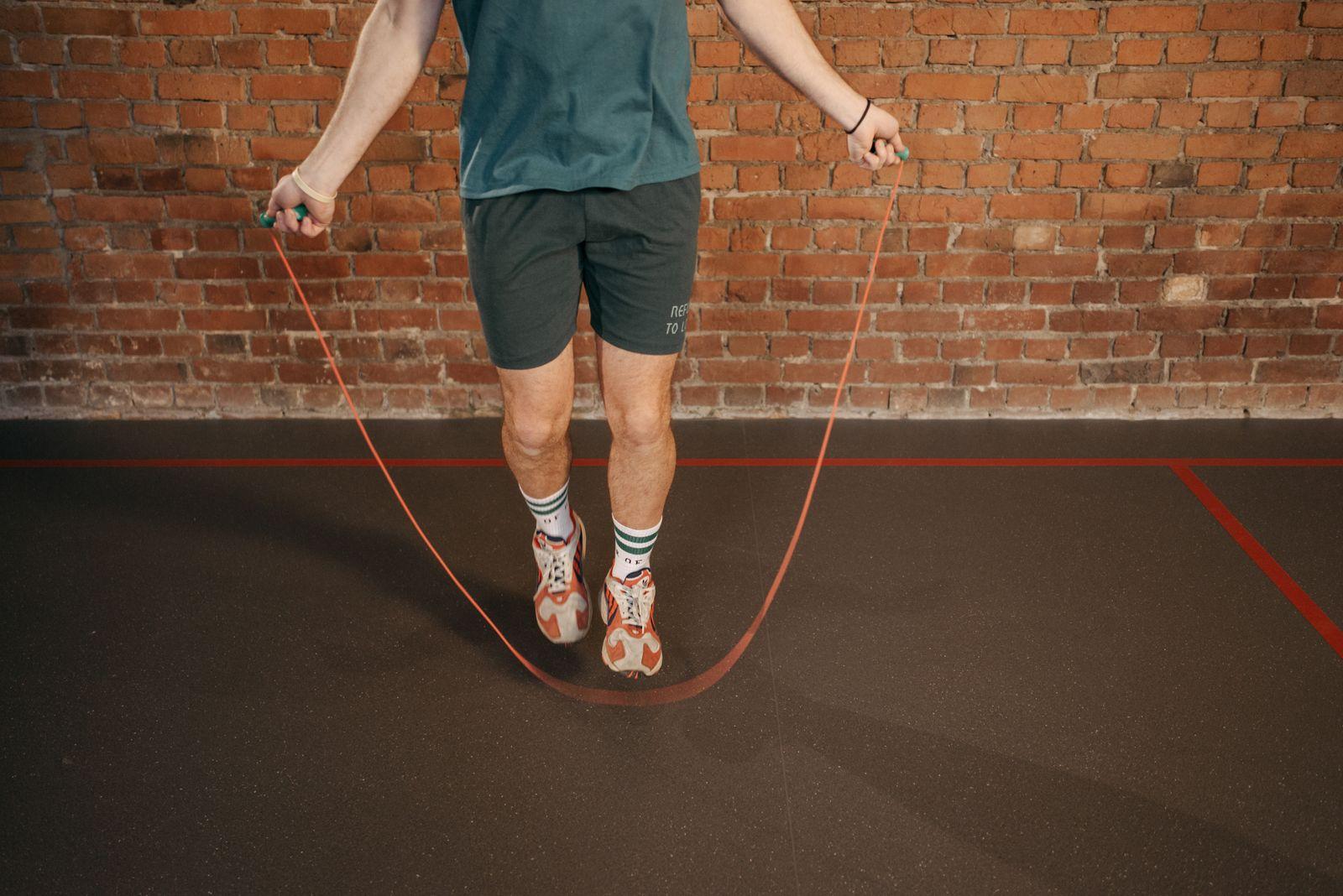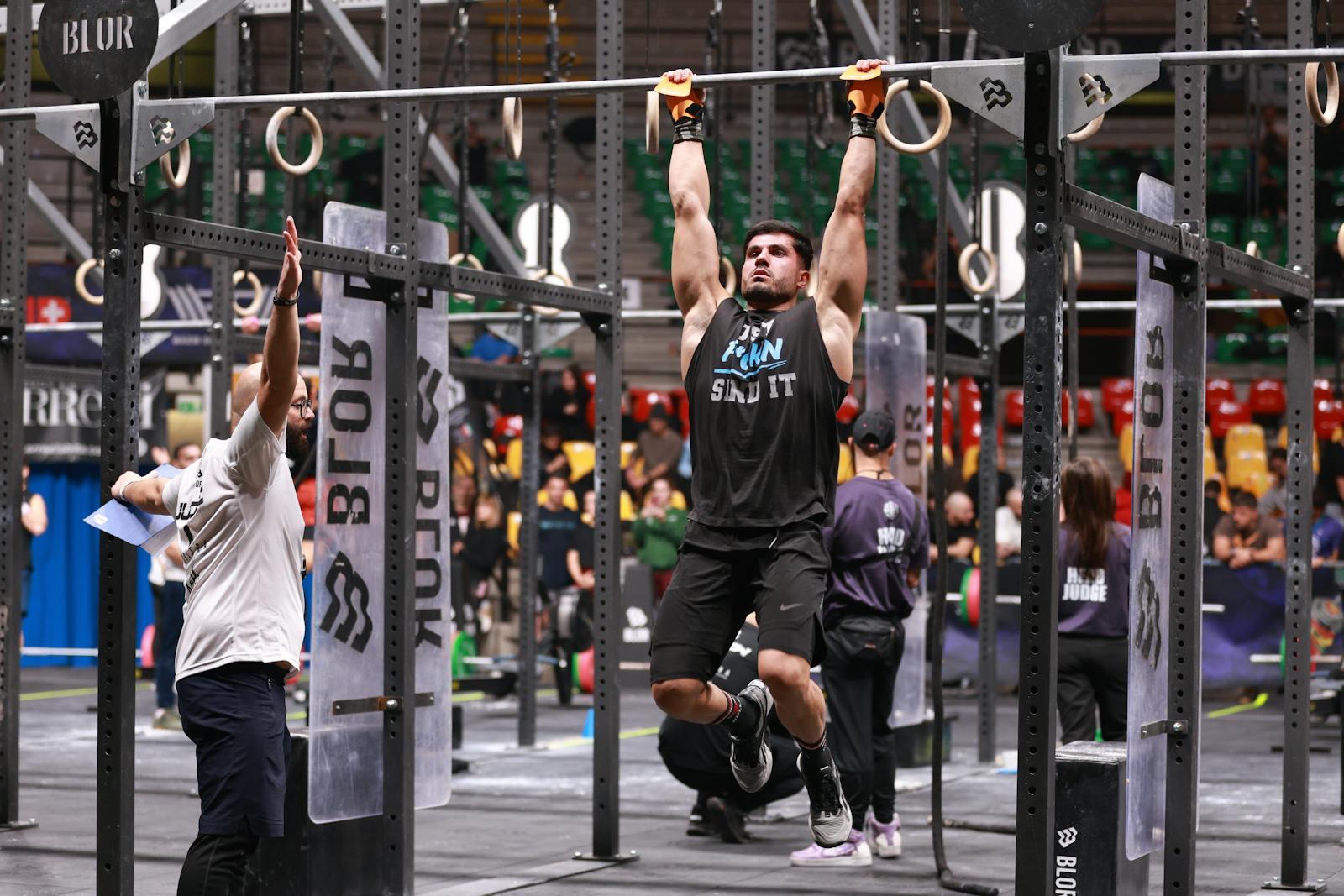
Finding the right competition matters as much as training well. An event that's too hard discourages you, one that's too easy gets boring. Here's how to target the one that truly fits your level and your goals.
Assess Your Level Honestly
The first step is an honest reality check. You don't pick a competition based on desire, but on your actual abilities right now.
Three profiles stand out:
- Beginner: you're discovering the sport, stringing together basic movements, chasing the experience before the clock.
- Intermediate: you've got the technique down and you're aiming for a solid ranking in a suitable category.
- Advanced: heavy loads and advanced gymnastics movements are no longer a problem.
This diagnosis shapes everything else. To fine-tune the choice between RX, Scaled and Beginners, our guide on choosing your category covers the concrete benchmarks.
Understand the Main Formats
Not all competitions are alike. Before signing up, identify the format that matches your project.
- Solo: you carry the performance alone, ideal for really testing yourself.
- Duo or team: you share the effort and the pressure, perfect for a first time. Our article on duo preparation explains how to split the roles.
- Hyrox: a hybrid running + stations format, very accessible to runners. To understand it all, read our introduction to Hyrox.
- CrossFit®-affiliated competitions: often more technical, with demanding movement standards.
The right format isn't the most prestigious one — it's the one where you'll enjoy pushing your limits.
Choose Based on Your Goal
A competition doesn't always serve the same purpose. Clarify your intention before you even look at the calendar.
For a first experience, favour a local, friendly event with a beginner category. The goal is to discover the atmosphere, not to chase the podium.
To climb the rankings, pick a tougher event, even if it means facing stronger athletes. It's by measuring yourself against the best that you spot your areas for improvement.
The Practical Criteria to Check
Beyond level, a few concrete details make the difference on the day:
- The date: leave enough time for real preparation, ideally 8 to 12 weeks.
- The location: a short trip reduces fatigue and logistical stress.
- The available categories: make sure one category truly matches your level.
- The movement standards: read the rulebook to avoid nasty surprises.
- The budget: registration, travel and possible accommodation.
Once the competition is chosen, build your training plan around the date you've locked in.
Where to Find the Right Fit
The hardest part is often knowing which events exist near you. On MBC Arena, the competition calendar gathers events by date, format and level. You can also check the leaderboards to gauge an event's level before committing.
Once you've made the right choice, all that's left is to act on it: create your account and sign up for the competition that suits you.