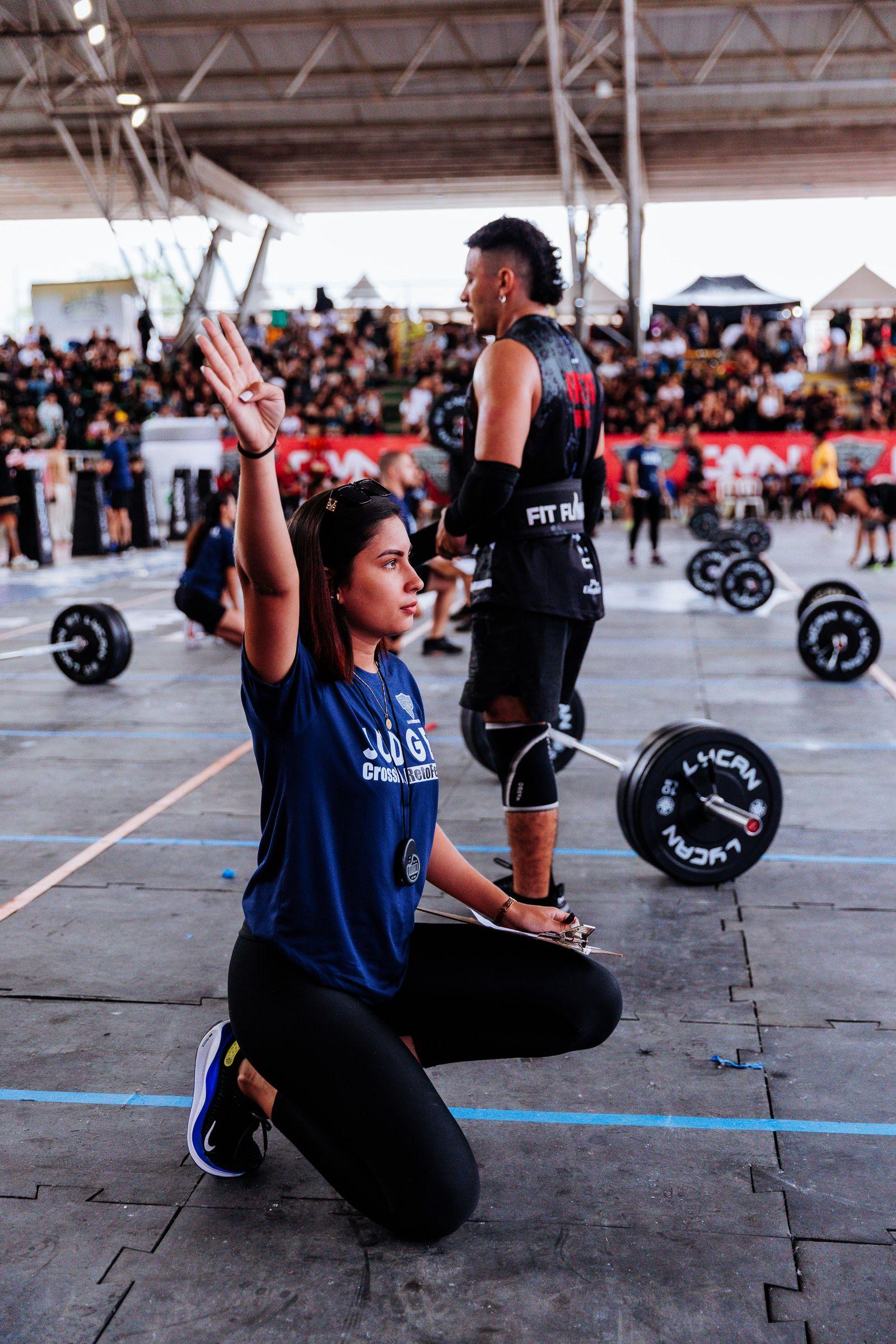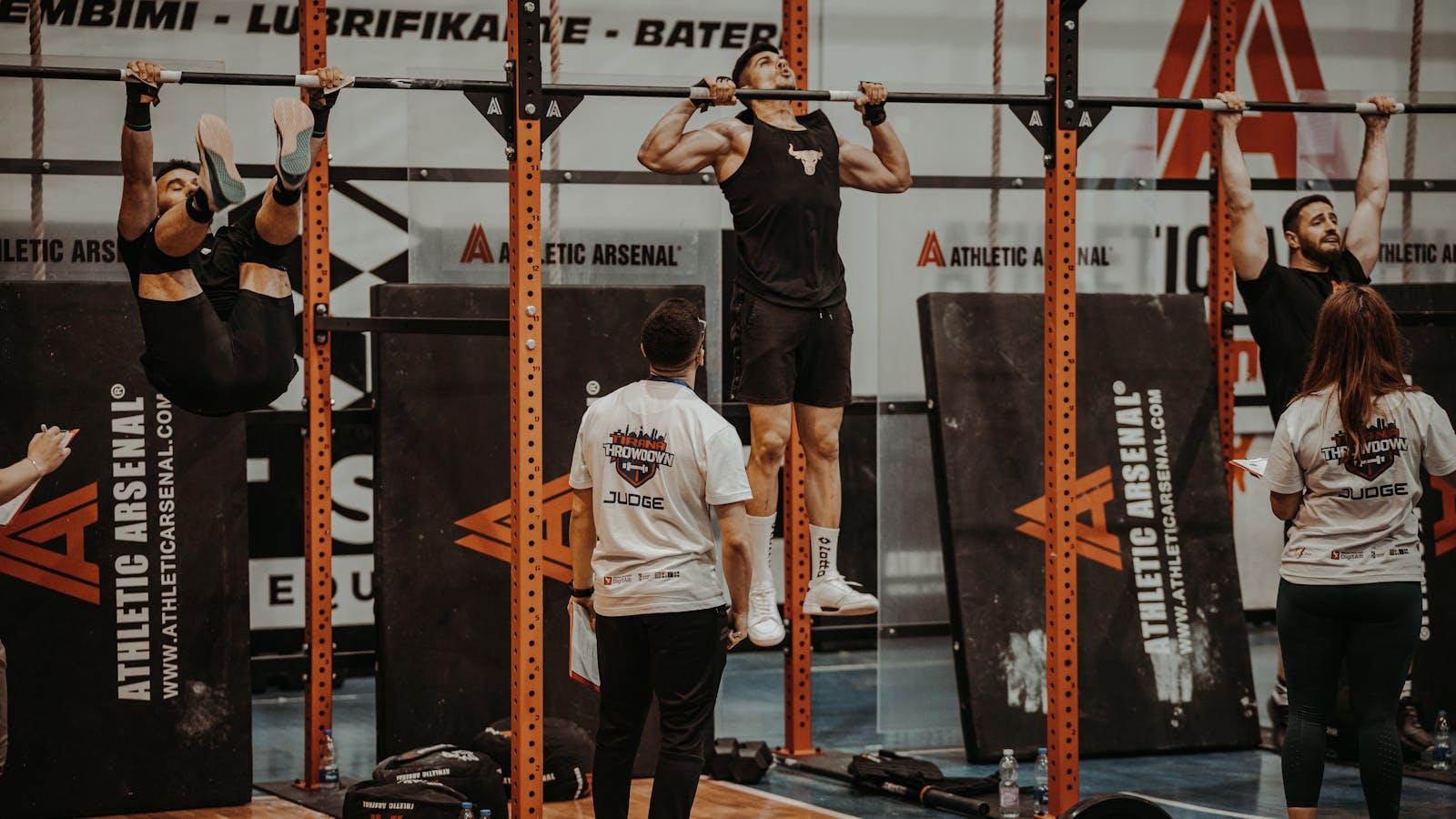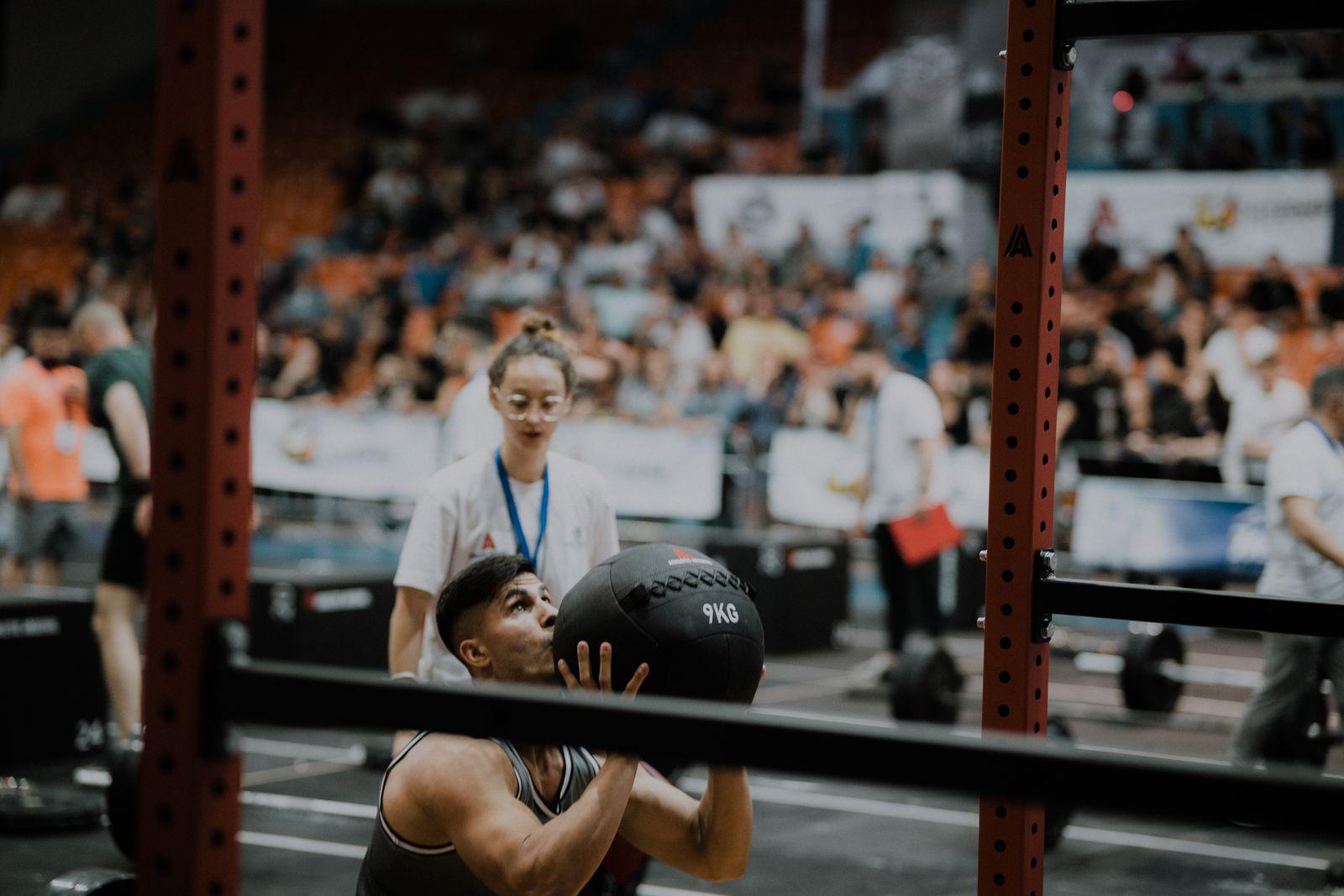
At a competition, every eye is on the athletes. Almost never on the person standing right next to them, stopwatch in hand. Yet without judges, a score means nothing and a leaderboard loses all credibility. Here's what a judge actually does — and how to work with them.
What a judge does during a WOD
Judging is far more than counting. During an event, a judge handles several jobs at once:
- Validating every rep against the standard announced in the briefing
- Counting out loud so the athlete keeps track despite the fatigue
- Recording the final score with no guesswork: time, reps, load
- Watching over safety in their lane — a barbell dropped badly, an athlete losing balance
They also run the countdown and call the stop at the time cap. On a dense workout, a judge doesn't take their eyes off one athlete for ten straight minutes.
A judge isn't there against the athlete. They're there so the athlete's score actually means something.
What makes a good judge
Consistency over strictness
The worst judge isn't the strictest one. It's the one whose standard drifts halfway through the workout. A good judge validates the hundredth rep exactly like the first. That consistency is what makes scores comparable across athletes.
A voice that carries
Under heavy effort, athletes lose count fast. Clear counting, audible over the music and the crowd, literally saves reps. Counting loud isn't a detail — it's a skill.
Clean, fast no-reps
Call the no-rep, explain it in three words, move on. No debate, no commentary. The sharper the call, the faster the athlete gets going again. This ties directly into the movement standards we drill in training.
For athletes: working with your judge
The relationship is built before the start, not during. Three simple habits:
- Introduce yourself before the heat and ask how they count — out loud, in blocks, on the way up of the movement
- Listen to the full briefing, even when you know the workout by heart
- Never argue mid-effort — the call is final, and redoing the rep costs less than debating it
Any legitimate complaint gets handled after the event, calmly, with the head judge.
Becoming a judge: a great way in
Many local competitions recruit judges among athletes from nearby boxes. No elite background required: a serious briefing the day before or that morning is enough to lock in the day's standards.
It's often the best school there is. Judging a full day of cross training or CrossFit® teaches you to read a movement, spot technical compromises and understand how a leaderboard is built. Plenty of athletes come back from their first day of judging with fresh eyes on their own training.
Building your judging team
For organizers, the judging staff is what separates a clean event from a contested one. You need one judge per lane, a shared briefing before each WOD, and a head judge able to settle disputes.
On MBC Arena, judges reach their scoring interface with a simple code — no account to create. They enter scores straight from their phone, and the leaderboard updates right after. To go further on event logistics, read our guide to organizing your first competition, or browse the competition calendar to find an event where you could lend a hand.